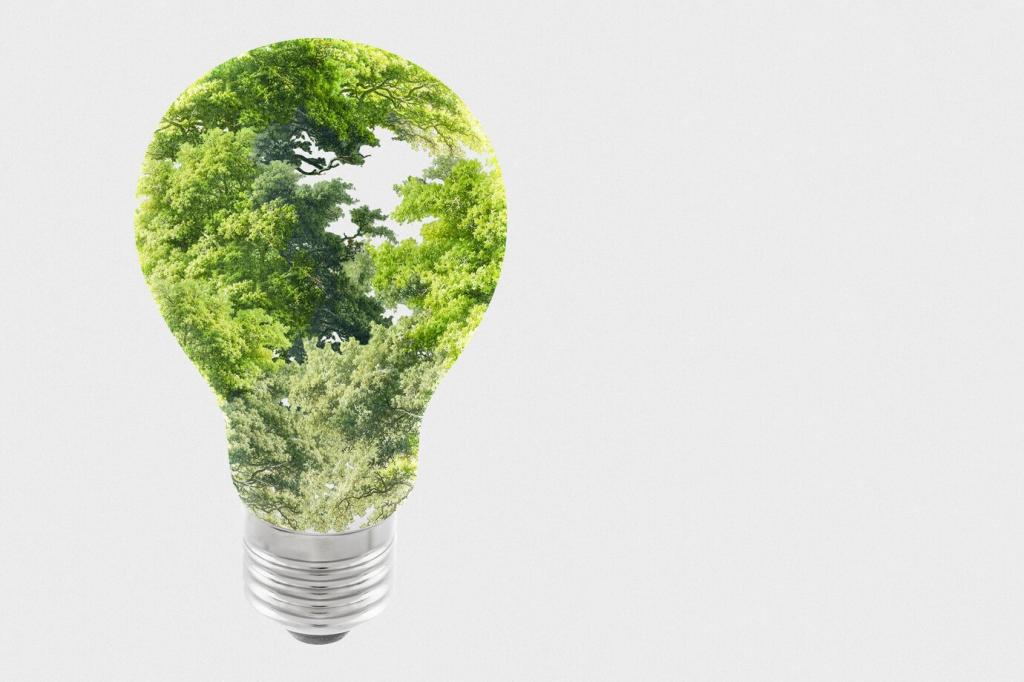




Wind Energy in City Landscapes: Powering Skylines With Purpose

Chosen theme: Wind Energy in City Landscapes. Welcome to a future where rooftops hum softly, alleys channel breezes into power, and towers become clean-energy beacons. In this edition, we explore how urban wind can transform buildings into generators, streets into learning labs, and neighbors into collaborators. If the idea of breezes fueling your block excites you, subscribe, comment with your city, and tell us which corner of your skyline deserves a turbine.

Understanding Urban Wind: From Gusts to Gigawatts

Urban canyons funnel wind, rooftops create eddies, and seasonal weather plays tricks with direction. Mapping these microclimates turns guesswork into design, revealing hotspots where compact turbines thrive and quieter zones where energy output would disappoint.

Understanding Urban Wind: From Gusts to Gigawatts

Vertical-axis designs tolerate turbulent flows and look graceful on rooftops or façades, while horizontal-axis machines shine where winds are steadier. Match technology to site realities, not wishful thinking, and you’ll turn blustery chaos into dependable energy.

Quiet by Design

Low-RPM rotors, carefully profiled blades, and acoustic shrouds keep whirring whispers below conversation levels. Positioning matters too: a few meters from parapets can cut resonance, turning potential complaints into curious rooftop visits and shared pride.

Taming Vibration and Load Paths

Structural engineers model wind loads, resonance, and fatigue so turbines share forces safely with beams and cores. Vibration isolators, tuned mass dampers, and robust anchor plates keep both the machine and the building calm during gusty surges.

Aesthetic Integration That Wins Hearts

Color-matched housings, sculptural blades, and aligned rooftop lines make turbines feel native to the skyline. When residents see beauty and purpose, they become advocates—snapping photos, asking questions, and supporting future installations down the block.
Bridging Towers in Bahrain
The Bahrain World Trade Center’s iconic sky-bridges hosted large turbines to catch accelerated winds between twin towers. The project sparked global conversation: integrate wind where buildings shape it, and design maintenance access as carefully as the blades.
A London Lesson in Expectations
A prominent London residential tower integrated rooftop turbines but faced turbulence, noise, and operational challenges. The takeaway is clear: data-driven siting and community communication are as essential as steel bolts and beautiful renderings.
Neighborhood Streetlights, Community Pride
In one coastal district, a handful of vertical-axis turbines now power smart streetlights and sensors along a breezy promenade. Residents report safer walks, glowing evening paths, and a newfound habit: checking wind forecasts like sports scores.

Policy, Permits, and People

Zoning, height limits, setback rules, and roof rights can stall projects. Early pre-application meetings, clear acoustic studies, and shadow-flicker analyses accelerate approvals and build trust with regulators looking for evidence, not promises.

Data-Driven Turbines: Sensors, Models, and Smarts

Mast anemometers, compact LiDAR, and drone surveys capture speed, direction, and turbulence intensity. Combined with rooftop trials, the data clarifies whether a site merits investment or needs a design pivot to truly catch the breeze.

Data-Driven Turbines: Sensors, Models, and Smarts

High-resolution CFD and digital twins simulate flows around parapets and penthouses, while machine learning predicts bearing wear. Maintenance teams schedule interventions early, preventing costly downtime and keeping output steady through changing seasons.


Safety, Wildlife, and Urban Ethics

Birds, Bats, and Better Siting

Thoughtful placement away from migration corridors, ultrasonic deterrents, and slower blade tips reduce risks to wildlife. Monitoring programs turn concern into stewardship, proving cities can be habitats for both biodiversity and clean energy.

Weathering Storms and Winter

Ice sensors, automatic feathering, and overspeed shutdowns keep people safe during extremes. Clear signage and remote lockouts give facilities teams confidence, ensuring turbines remain helpful neighbors even when the sky grows loud and gray.

Equity at the Center

Direct benefits to energy-burdened blocks—lower bills, shaded bus stops with power, and local jobs—make projects just. Invite voices often overlooked, and design ownership structures that return value to the streets hosting the hardware.
Smarttrashbins
Privacy Overview

This website uses cookies so that we can provide you with the best user experience possible. Cookie information is stored in your browser and performs functions such as recognising you when you return to our website and helping our team to understand which sections of the website you find most interesting and useful.